

What is an EPOS system?
EPOS (Electronic Point of Sale) is more than just a modern till – it’s the digital heart of any shop, bar, café, or salon. From processing payments to tracking sales and managing stock, EPOS systems help UK businesses run faster, smarter, and smoother.


EPOS
EPOS Explained
Retail has changed significantly over the past years. Traditional cash registers and manual receipts no longer meet the demands of modern businesses. Today, retailers require accurate real-time insights, efficient stock management, and a fast, reliable checkout process.
As a retail software specialist, RetailVista has created this guide to clearly explain what an EPOS system is and how it supports daily business operations.
An EPOS system goes beyond processing payments. It supports sales, reporting, stock synchronisation, and integration with online channels, providing businesses with better control and overview. Whether you operate a physical store or sell through multiple channels, an EPOS system helps you work more efficiently and make well-informed decisions in a competitive retail environment
EPOS Solutions
What Does an EPOS System Actually Do?
An EPOS system does far more than process payments. It acts as the operational core of your front office, connecting transactions with inventory, reporting, and business logic – in real time.
EPOS at the counter
- Scans and adds items via barcode or touchscreen interface
- Accepts payments (cash, card, contactless, digital wallets)
- Applies promotions, discounts, or loyalty rewards
- Issues receipts via print or email
EPOS Beneath the surface:
- Adjusts stock levels instantly with each transaction
-
Categorises and logs sales for live reports, dashboards, and audit trails
-
Tracks user actions – sales, refunds, overrides – per staff member
-
Integrates with finance systems – sending totals, VAT, and transaction data to platforms like Xero or Sage
-
Maintains multi-store consistency – syncing stock, prices, and promotions across all locations
-
Feeds real-time data into forecasting – allowing businesses to identify patterns, peak times, and top-performing SKUs.

Smarter stock and purchasing decisions
Clear financial insight at all times
Full operational control without extra admin

Cloud and hybrid systems
Types of EPOS: built for the way retail works today
Modern EPOS systems aren’t just local machines under the counter. Today’s setups are built to be connected, secure, and flexible — often running through the cloud, syncing across devices, and staying online even when the internet drops.
Retailers expect more than just speed at the till. They want:
Data that’s safe and backed up
Access from anywhere
Offline continuity when networks go down
Smooth scaling as the business grows
That’s why architecture matters.
Modern EPOS systems are cloud or hybrid. RetailVista’s hybrid architecture delivers local speed, cloud visibility, and uninterrupted trading even when the connection drops.
EPOS vs POS
EPOS vs POS: What’s the Difference?
POS (Point of Sale) is a general term – it could be an old-school cash register or any checkout system.
EPOS (Electronic Point of Sale) is the smarter, digital version.
Both systems handle transactions, but only EPOS delivers the real time insight modern retail requires. Comparing POS to EPOS is like using a paper map instead of sat nav. Both work, but only one shows you where you are.
EPOS Soft and hardware
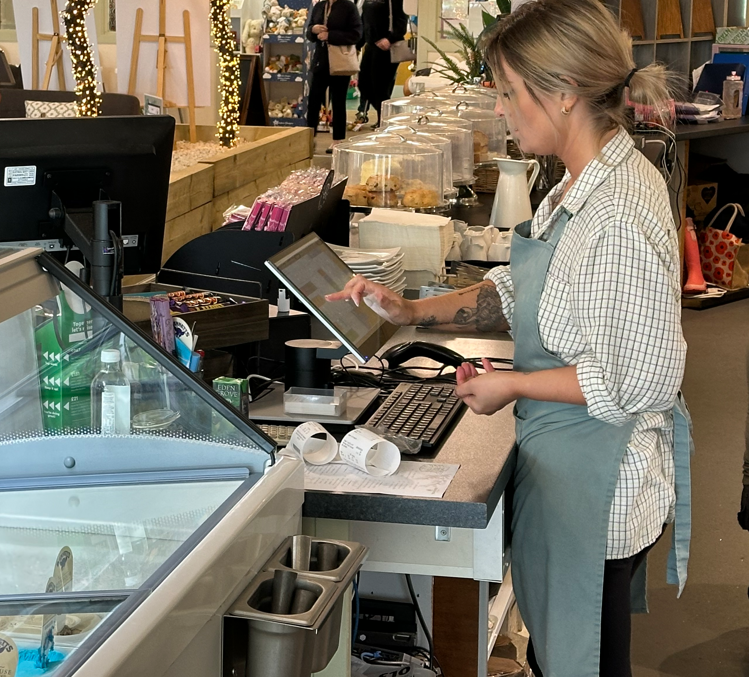
Core Components of an EPOS till
• EPOS software for sales, stock management, reporting, and integrations
• POS terminal such as a tablet, PC, or dedicated touchscreen unit
• Barcode scanner for fast and accurate product entry
• Card reader supporting Chip and PIN, contactless, and digital wallets
• Cash drawer for cash accepting businesses
• Receipt printer for physical receipts
• Back office tools for reporting, inventory control, and user management
Some providers offer all in one systems, while others support modular setups.
At RetailVista, systems are fully flexible, from single tills to multi location setups with connected stock, loyalty, and analytics. It is not just about what is included, but how everything works together.
EPOS Solutions
Connecting the Dots: Why EPOS Integration Matters
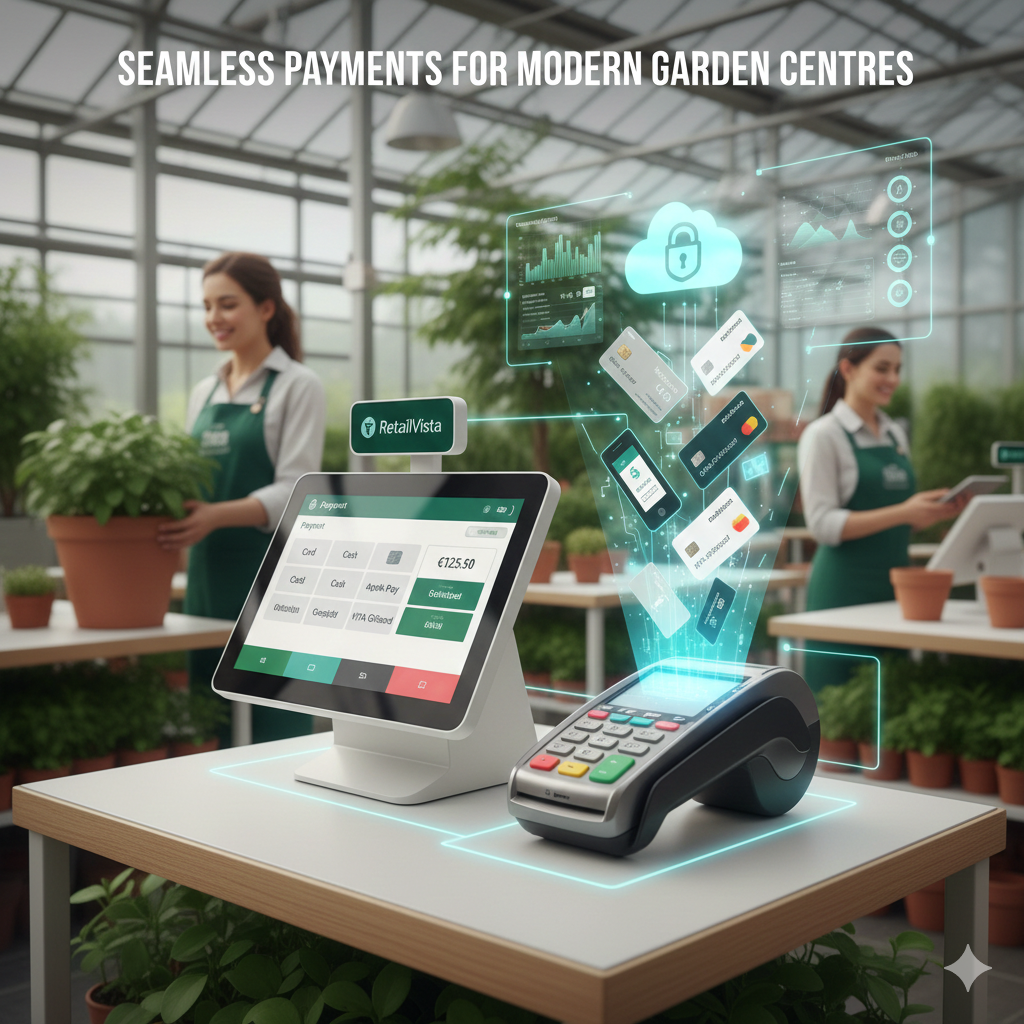
A high performing EPOS system is more than a till. It connects sales, stock, finance, and customer data into one operation.
At RetailVista, integration is built in by design. Automated connections reduce manual work, prevent errors, and remove the need for spreadsheets or data re entry, so staff can focus on growing the business instead of fixing mistakes.
Webshops & e-commerce
Syncs with online stores for real-time inventory and order updates.
Accounting software
Automatically sends totals, VAT and refunds into finance systems.
Loyalty & CRM tools
Supports built-in loyalty flows and external CRM connections.
Payment platforms
Integrated terminals and online payments for seamless checkout.
Warehouse & stock systems
Connects with purchase and inventory tools to manage supply chains.
APIs & custom integrations
Advanced linking with BI tools, logistics and other platforms.
In 2025, a disconnected till doesn’t just slow things down — it creates friction, blind spots, and wasted time.
A properly integrated EPOS system is what separates reactive businesses from efficient ones.
Loyalty
POS software and Loyalty: The Most Underrated Feature
Most modern EPOS systems already include loyalty tools such as digital punch cards, point systems, or customer profiles linked to a phone number or email. Yet despite this, loyalty is still widely underused. While most systems support it, only a small share of retailers actually apply it in practice.
Loyalty does not need to be complex or app driven. Even a simple buy 6 get 1 free setup can significantly increase repeat visits without logins or friction.
At RetailVista, loyalty is built directly into the EPOS platform through RetailVista Nuvio. This approach puts control back with the retailer and removes reliance on third party tools. This is why it matters.

Customer data stays fully in house
Rewards are tracked automatically at checkout
Promotions are based on real purchase history
Loyalty customers are far more likely to return
Numbers
EPOS by the Numbers: 4 Industry Facts Worth Knowing
%
of UK retailers
have adopted EPOS. Digital systems are now the norm across high street, hospitality, and multi-site businesses.
%
in annual losses
or £3,000 to £6,000 per year can be lost to poor stock control. Live EPOS inventory tracking helps prevent this.
%
of customers
will drop a purchase if the queue takes too long. Efficient EPOS checkouts directly reduce basket abandonment in-store.
%
only track staff activity
of small retailers monitor staff activity via EPOS. Most still operate without clear insight into individual sales, refunds, or voids.
EPOS
What EPOS Can Do (That You Might Not Expect)
Setting up a proper EPOS system is not a five minute task. It requires preparation, from importing data and connecting systems to getting staff comfortable with new workflows. Every setup is different, shaped by the business, the team, and the goals.
This is not complexity for its own sake. It is alignment, and it builds momentum quickly. When tills, stock, reporting, and customer data are connected, decision making shifts. Guesswork disappears and control takes its place.
What changes is not just the operation.
Promotions start hitting at the right time.
Stock matches demand, not gut feeling.
Decisions are based on data, not habit.
Owners reclaim time and use it to grow.
Revenue grows, because the machine works better
Retailvista
So Who’s Behind All This?
If EPOS sounds like a lot — it is. But that’s exactly why RetailVista exists.
It wasn’t built in a boardroom or spun out of a startup pitch deck. RetailVista was developed by people who actually ran shops, dealt with tills that froze mid-sale, and knew what it meant to print 300 labels on a Friday night.
From the first PCs in Dutch garden centres to full ERP systems across the UK and EU, this platform has been shaped by decades of real-world retail.
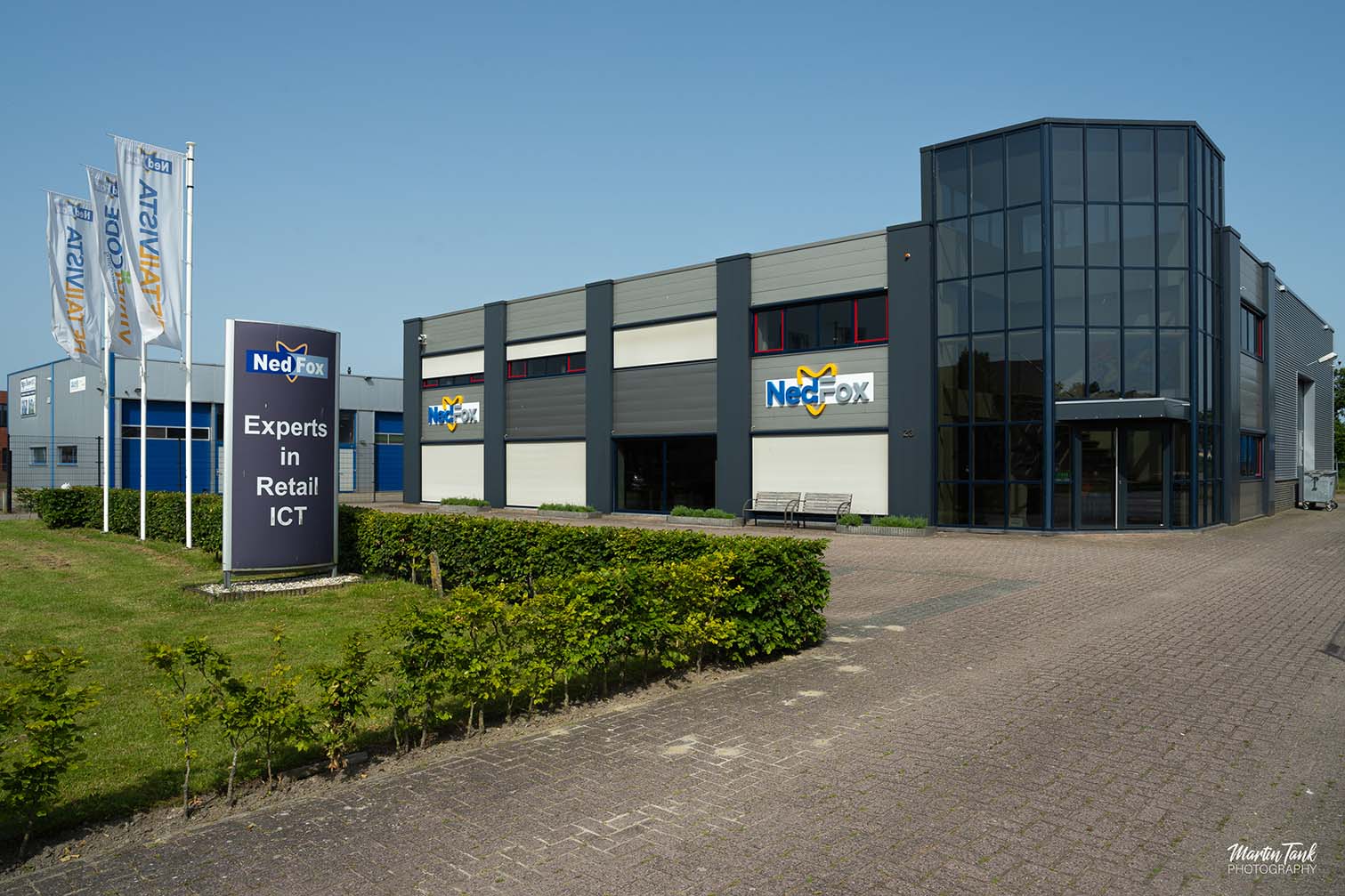
Backed by NedFox, a team that still picks up the phone, writes its own code, and finishes every project it starts – RetailVista is software built by retailers, not just for them.
Contact
Want to Know More?
Whether you’re curious about integrations, stock logic, staff tracking or just want to see how deep this rabbit hole goes – get in touch.
We’ll show you what EPOS looks like when it’s built by retailers for retailers.